
Rewriting the future for Nigerian girls
In this captivating story, Esther invites you into the world of a young woman who dared to step away from a life chosen for her and instead carved a path for herself. Her journey reveals the struggles faced by rural Nigerian girls and the transformative power of purpose, creativity, and courage.
By Esther Oke – Nigeria
Throughout my childhood, my best friend Ayanfe and I were inseparable, but as we grew older, life pushed us apart. She became a mother at seventeen, her dreams halted by an abusive marriage, now merely trying to survive with her baby. At the same time, my creative passion was suppressed by my father’s dream for me to become a doctor. I enrolled in medical school, dropped out after three years, and sank into isolation. Our stories mirror how societal pressures and limited opportunities restrict the dreams of teenage girls in rural Nigeria.
By my third year in medical school, I was trapped in a lecture hall I hated. The professor spoke about complex formulas, but all I heard was noise. I felt like a fraud pretending to be a student. I stared again at the photograph of our village’s only clinic taped to my notebook and remembered my father’s words: This is why you are going. Those words felt like a life sentence. When class ended, I made my choice. I stood out, walked out, and never looked back.
As a child, I lived inside my own world. I added details from the wealthy homes we visited and created stories from conversations I overheard. When I shared them with friends, they called me delusional. I began spending time alone in our backyard, drawing on the wall with charcoal, talking to myself and laughing at my own imagination. Neighbours said only possessed children behaved like that. From then on, whenever my mother found me playing alone, she beat me and asked whether I was having a party with spirits.
I could not express my goals because my teachers and my father had already set them for me. My father, a nurse deeply dedicated to our village, even built a local clinic. He woke me up at three in the morning to say, Esther, you must become a doctor to continue this work. You may be the one to lift this family. I felt an enormous responsibility, especially toward him, yet in the privacy of my room I wrote stories about becoming an artist.
Years of extra lessons and hard studying paid off when I was accepted into the country’s top medical college. The entire village celebrated. Elders thanked me for my dedication, and the youth admired me as though I had figured out my future.
Then a life-threatening diagnosis changed everything. After surgery, while returning from the hospital, I saw an art studio by the roadside. The images I glimpsed stayed in my mind. I begged my parents to let me go there. Hesitant but wanting me to recover, they agreed. For two months, I visited twice a week, and those were the happiest days of my teenage years. I finally understood that art was not a distraction but a calling.
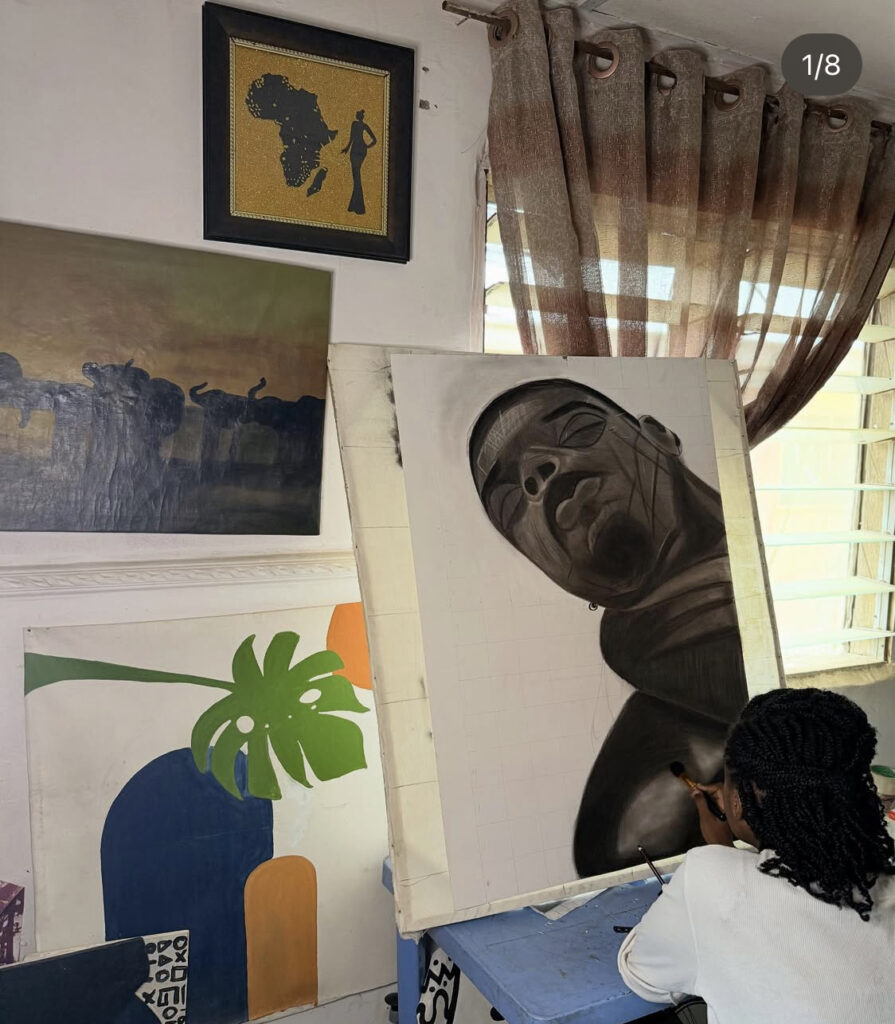
Back at the university, life felt different. While other students socialised, I sold food under a small umbrella to survive. The joy I remembered from the art studio grew stronger than the fear of disappointing my family. Three years in, I withdrew from medical school. My family was heartbroken. My brother stopped speaking to me. The small support I received from home disappeared, meant to force me back on track. I spent months alone, facing an uncertain future.
Returning to my drawing board revived me. I taught myself to paint, make shoes, bake, and design digitally. I freelanced, showcased my art in exhibitions, and opened my studio.
With a renewed sense of purpose, I saved enough money to travel with a friend to Owo to teach young people. The journey tested us. One night, stranded without transport, we slept under a leaky shed in a park. Strange animal sounds echoed all night, whispering doubts in my mind. At dawn, a dusty food truck appeared, and the driver kindly squeezed us in among crates of produce.
We reached town and went straight to the market. As I walked with my hair pulled back in a simple bun, a woman in her sixties chased me with a cane. She grabbed my bun, wrenching my neck, shouting that girls would learn respect only when the gods fed on their flesh. Shaken and humiliated, I managed to say, “I am new here, ma”. She warned me never to appear in the market without a headscarf again. In that moment, I realised I had entered a deeply traditional community.
We understood that we needed permission from local authorities before doing anything meaningful. We visited the King and the Council of Elders. Afterward, we connected with local youth at a public school where I secretly slept in a classroom, waking before students arrived to avoid being caught.
Seeing a clear skills gap, we began teaching everything we knew, from baking to crafts and catering. Gradually, the youth transformed. They developed purpose, confidence, and skills. Many became successful business owners. The village embraced our mission too, often bringing us food from their farms. Witnessing the impact of my work softened my family’s perspective. Today, they are my strongest supporters, proudly sharing stories about my art and travels.
In rural Nigeria, 40 to 50 percent of young women are not in education, employment, or training. They are more than twice as likely to drop out of school as young men. Child marriage in rural areas is more than double that of urban regions. One in five girls aged fifteen to nineteen is already a mother. Many are forced to leave school for domestic responsibilities, ending their chance of pursuing further education.
Girls face several obstacles: patriarchal norms that devalue their education, lack of exposure and role models, and financial challenges that discourage families from investing in their futures. Existing programs focus mostly on vocational training, but true empowerment requires curiosity, resilience, and self-leadership. These cannot be taught through lectures. They must be experienced.
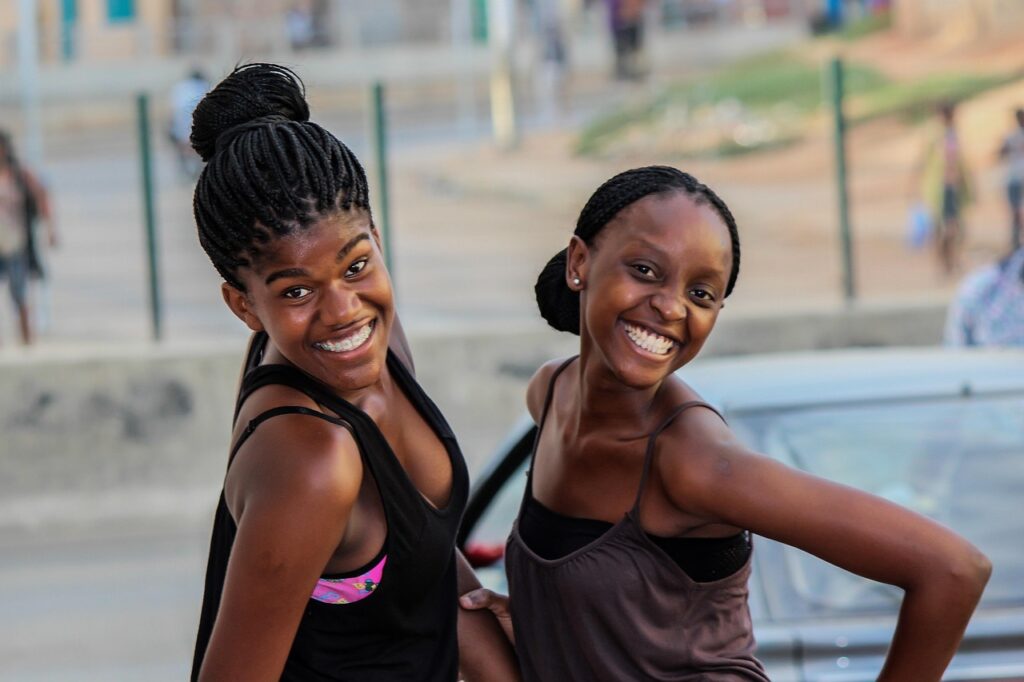
The Iwari program offers a transformative journey that helps teenage girls discover their passions and build a roadmap for their future. It follows a four-stage process.
- The first stage is Self-Inventory, a two-week period of introspection. Through guided exercises, participants identify their interests, skills, values, and passions.
- The second stage is the Discovery Trip, a month of exploration across university campuses, trade centres, and workplaces where they meet professionals from various fields. A camping experience builds resilience and teamwork, ending with a symbolic burning of fears at a bonfire.
- The third stage is Experimentation, a month-long access to an experimental lab with tools for sewing, welding, filmmaking, cooking, and more. Participants develop a capstone project and present it at a community festival where generations learn from one another.
- The final stage is Learn and Launch, a three-month internship with mentors who guide them in designing a future roadmap. Graduates then become mentors themselves, establishing Iwari clubs in secondary schools to inspire other young people.
Through this journey, the girls discover that they have the power to choose and create their own future.